Managing water efficiently has become a major challenge for industries and smart infrastructure projects. Manual monitoring of water tanks often leads to overflow, dry-run motor failures, water shortages, and unnecessary maintenance costs.
A Smart Water Tank Automation System solves these challenges using Industrial IoT technology, real-time monitoring, cloud analytics, and automated pump control.
With IoT-enabled smart tank monitoring, facility managers can automate water operations, reduce water wastage, and monitor tank levels remotely from anywhere.
What Is Smart Water Tank Automation?
A Smart Water Tank Automation System is an IoT-based solution that automatically monitors and controls sump tanks, overhead tanks, and water pumps in real time.
The system uses intelligent level sensors and cloud connectivity to:
- Monitor water tank levels remotely
- Automate pump ON/OFF operation.
- Prevent water overflow
- Protect motors from dry-run conditions
- Send instant low-level and overflow alerts
- Track water usage analytics
- Improve operational efficiency
Unlike conventional float switch systems, smart automation provides accurate real-time visibility and centralized control across multiple tanks and buildings.
Why Traditional Water Tank Monitoring Systems Fail
Many industries still rely on manual tank inspections or outdated relay-based automation systems. These traditional methods create several operational problems.
Water Overflow & Wastage
Manual operations frequently cause tank overflow, leading to water loss and higher utility costs.
Dry Run Motor Damage
Pumps operating without sufficient water can damage motors and increase maintenance expenses.
No Real-Time Monitoring
Conventional systems provide limited visibility into actual tank levels and pump performance.
High Maintenance Dependency
Facility teams must manually inspect tanks daily, increasing operational workload.
Lack of Data Analytics
Traditional systems cannot provide historical water usage reports or predictive insights.
How IoT Smart Water Tank Automation Works
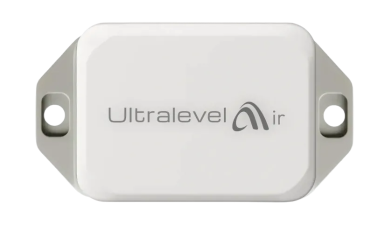
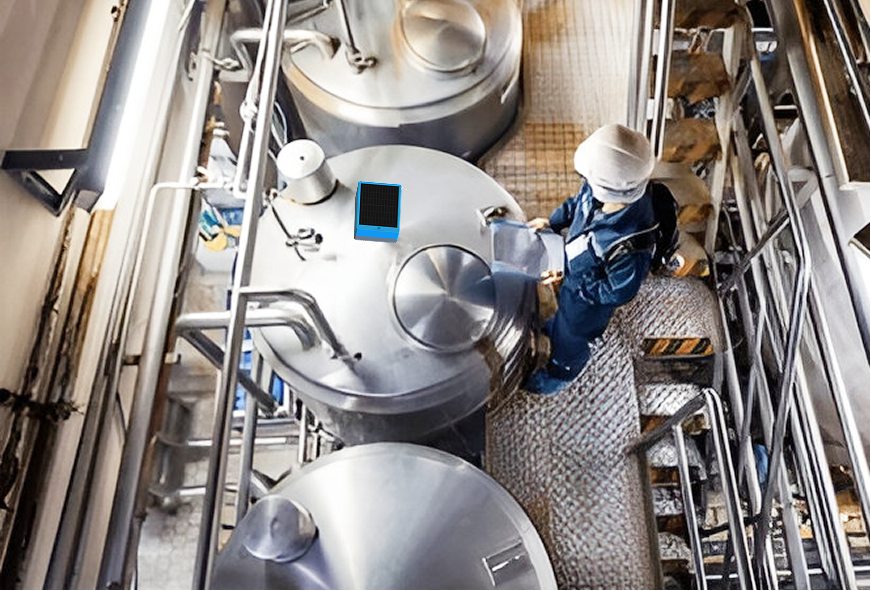
The Smart Water Tank Automation System continuously monitors water levels using Industrial IoT sensors installed in sump and overhead tanks.
The collected data is transmitted securely to a cloud platform through Industrial IoT gateways, allowing users to monitor and control the system remotely using web dashboards or mobile applications.
System Workflow
Step 1: Water Level Monitoring
Smart level sensors measure tank levels continuously with high accuracy.
Step 2: Real-Time Data Transmission
The IoT gateway sends live tank data to the cloud platform.
Step 3: Automated Pump Control
The system automatically starts or stops pumps based on configured water levels.
Step 4: Alerts & Notifications
Instant notifications are triggered during:
- Overflow conditions
- Low water levels
- Pump failures
- Dry-run risks
- Sensor abnormalities
Step 5: Cloud Analytics & Reports
Users can access:
- Historical water consumption
- Tank usage trends
- Pump runtime analytics
- Multi-site monitoring dashboards
Key Features of Smart Water Tank Automation System
Real-Time Water Tank Monitoring
Monitor overhead tanks and sump tanks remotely through cloud dashboards and mobile apps.
Automated Pump Controller
Automatically operate pumps based on predefined tank level thresholds.
Overflow Prevention System
Prevent water overflow and eliminate unnecessary wastage.
Dry Run Protection
Protect water pumps from running without water availability.
Multi-Tank Monitoring
Monitor multiple tanks across buildings or facilities from a centralized platform.
Cloud-Based Dashboard
Access live tank status, alerts, analytics, and reports from anywhere.
Instant Mobile Alerts
Receive SMS, email, or app notifications during critical conditions.
Water Usage Analytics
Track daily, weekly, and monthly water consumption trends.
Industrial IoT Connectivity
Secure Industrial IoT architecture for reliable long-term performance.
Benefits of Smart Water Tank Automation
Reduce Water Wastage
Prevent overflow and optimize water consumption across buildings.
Lower Maintenance Costs
Reduce pump failures and avoid unnecessary service visits.
Improve Operational Efficiency
Eliminate manual tank inspections and automate daily operations.
Remote Monitoring Access
Manage building water systems remotely from any location.
Enhance Pump Life
Minimize dry-run conditions and excessive motor operation.
Improve Sustainability
Support smart building and water conservation initiatives.
Applications of Smart Water Tank Automation
Smart Water Tank Automation Systems are widely used across various industries and infrastructures.
- Residential Apartments
- Commercial Buildings
- Hotels & Hospitals
- Industrial Facilities
- Educational Institutions
Why Choose IoT-Based Water Tank Automation?
Modern buildings require intelligent infrastructure capable of reducing operational costs while improving sustainability and efficiency.
An IoT-based Smart Water Tank Automation System delivers:
- Real-time visibility
- Automated operations
- Remote monitoring
- Data-driven water management
- Predictive maintenance insights
- Improved infrastructure reliability
As smart industries continue to evolve, intelligent water management is becoming an essential part of future-ready infrastructure.
Future of Smart Water Management
The future of water infrastructure lies in Industrial IoT, cloud automation, and predictive analytics.
Advanced smart water tank monitoring systems are helping organizations:
- Reduce water losses
- Improve operational transparency
- Optimize energy usage
- Automate infrastructure management
- Achieve sustainability goals
By implementing smart water tank automation today, buildings can build a more efficient, sustainable, and intelligent water management ecosystem for the future.